
Koraiio LLC · Denver, Colorado
Computer vision and edge AI, from the paper to the field.
We design perception models, for images, video and sound, that run on small devices where the data is captured, and we test them where they will be used. Our first product, DroSonic, detects drones by sound.
- Peer-reviewedIEEE, Springer, CVPR demo
- 2 U.S. patent filingsVideo and acoustic sensing
- Field-testedLive drones, DIRT Days 26.04
- SAM.gov activeCAGE 20L04
Selected work
Proof, not promises.
Each project below is published, patented or field-tested. Open one for the problem, the approach, the figures and the links to check it.
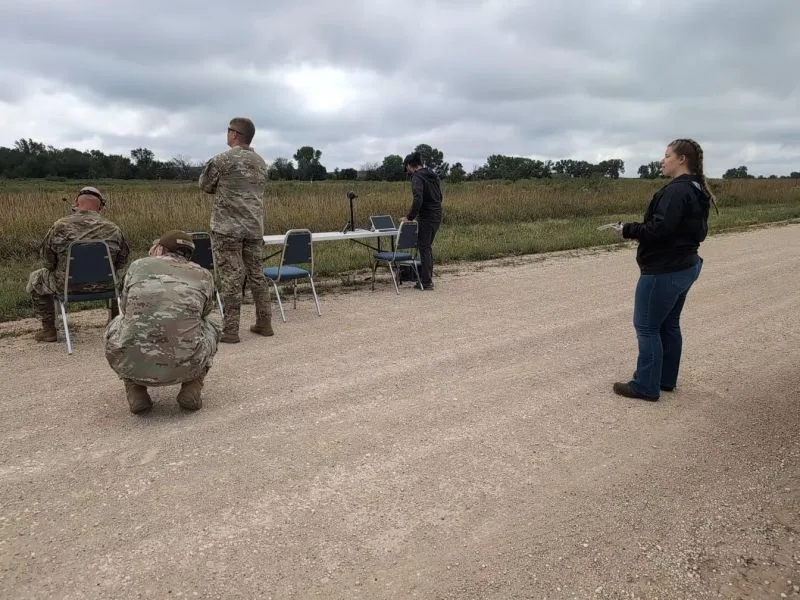
Hearing drones that radar and RF can't see
A network of low-cost microphone nodes that detects, classifies and locates small drones by the sound of their propellers, with no emissions and no cloud.
DroSonic passive acoustic drone detection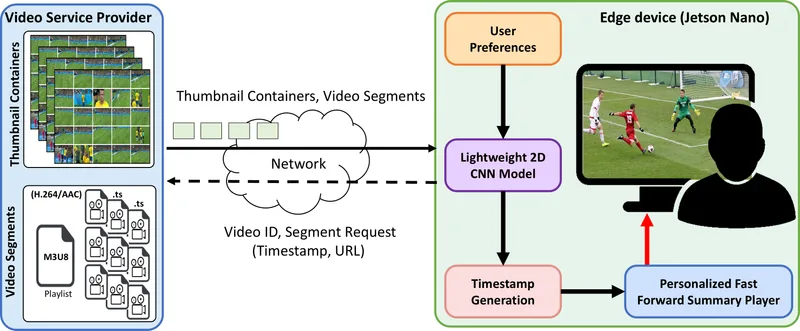
Personalized video summaries made on the device
Fast-forward summaries of long videos, generated on a Jetson Nano from lightweight thumbnail containers, so the video and the viewer's preferences never leave the device.
EdgeVidSum, CVPR 2025 demo
Reading a live broadcast frame by frame on consumer hardware
Detection and OCR pull the match state straight from Call of Duty League broadcast video, with no game API, and feed a win-probability model at broadcast frame rate.
Real-time esports prediction, AIPR 2026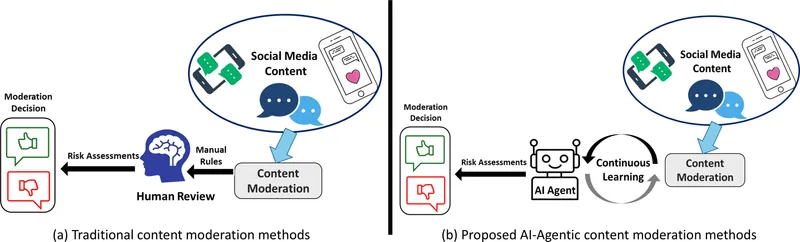
Language-model agents that protect minors, deployed at the edge
A multi-agent language-model system that assesses risk in social-media content and makes moderation decisions close to the user, learning continuously.
EdgeAIGuard, IEEE Internet of Things Journal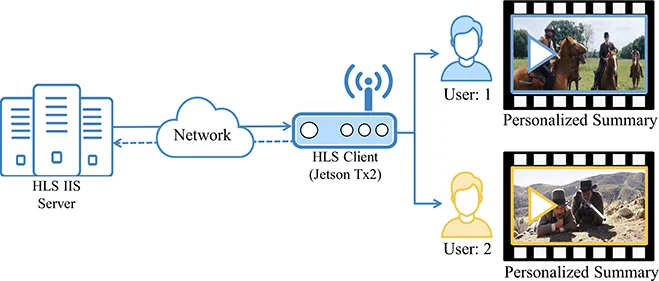
Video summarization moved from the server to the client
A 2D CNN over thumbnail containers lets each viewer's own device find the events they care about in a feature-length video and assemble a summary or animated highlight.
LTC-SUM and LTC-GIF, IEEE Access & SIGMAP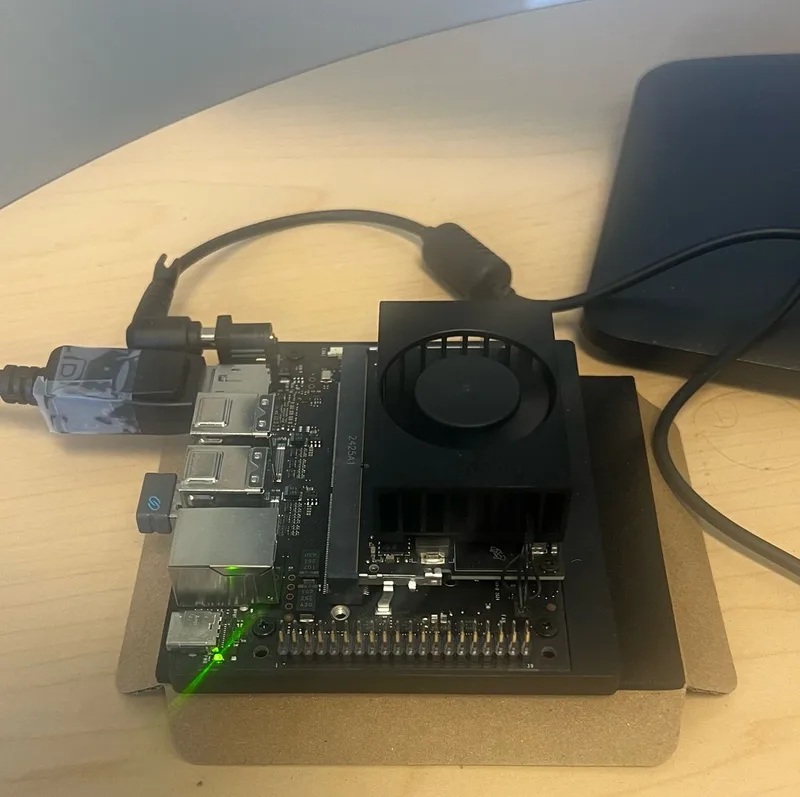
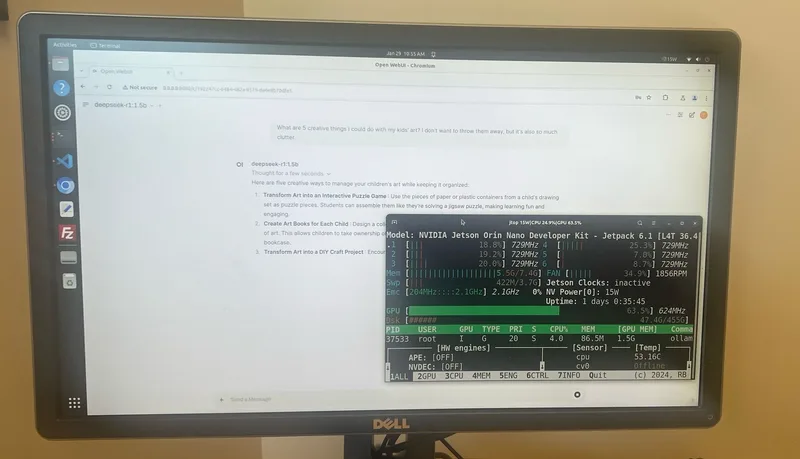
Private language models on an NVIDIA Jetson
Reasoning and multimodal language models served from a Jetson developer kit with a web interface, so documents and prompts stay on the premises.
Local LLMs and multimodal UIs on edge hardwareWhat we do
Six kinds of work, one thread: perception on constrained hardware.
We take on a small number of client projects alongside DroSonic. Each service builds on work you can read above.
-
01
Computer vision development
Detection, tracking, segmentation and OCR, from dataset design to an evaluated model.
-
02
Edge AI deployment
Making models run in real time on NVIDIA Jetson, ARM boards and in the browser.
-
03
Acoustic & sensor ML
Audio classification and sound source localization with microphone arrays.
-
04
Video & media pipelines
Summarization, highlight selection and the FFmpeg/HLS plumbing around them.
-
05
Applied language models
Private, on-premises and on-device assistants and agents, with evaluation built in.
-
06
R&D partnering & technical review
SBIR/STTR technical volumes, feasibility studies and independent model evaluation.
Research
Selected publications.
Peer-reviewed work in vision, video and edge AI. Every entry links to its DOI.
-
2026 · AIPR 2026, Springer LNCSReal Time Pixel Level Esports Prediction Using Edge AI
-
2025 · CVPR 2025 DemoEdgeVidSum: Real-Time Personalized Video Summarization at the Edge
-
2025 · IEEE Internet of Things JournalEdgeAIGuard: Agentic LLMs for Minor Protection in Digital Spaces
-
2022 · IEEE AccessLTC-SUM: Lightweight Client-Driven Personalized Video Summarization Framework Using 2D CNN
-
 2022 · SIGMAP 2022Client-Driven Lightweight Method to Generate Artistic Media for Feature-Length Sports Videos
From our research desk
DroSonic OSINT, published weekly.
Open-source assessments of drone and counter-UAS developments. Every claim is cited and graded.
 Hearing the Drop
Drones now deliver drugs, phones and weapons into prisons thousands of times a year. New research shows a microphone can tell the moment the package falls.
 When Jamming Stops Working
Jammers were the first answer to small drones. Fibre-optic cable, mobile-network control and onboard autonomy are taking that answer away.
 Watching the Bases
Drones now fly over U.S. bases once or twice a day and probe NATO nuclear sites. Detection has improved; stopping them still lags.
How a project runs
Scope, build, field, hand over.
Every phase ends with a written result, so you can stop at any point with something useful.
- 01
Scope
What has to be detected, on what hardware, under what conditions. We say early if the problem isn't a good fit.
- 02
Build
Data, a baseline, then a model sized for the target device, measured on that device from the first week.
- 03
Field
Testing in the conditions it will meet: noise, weather, lighting, distance. Results reported as measured.
- 04
Hand over
Code, trained weights, documentation and an evaluation report your team can rerun.
FAQ
Straight answers.
What is Koraiio?
Koraiio LLC is an applied AI research and engineering company in Denver, Colorado. It builds computer vision and acoustic sensing systems that run on edge hardware rather than in the cloud. Its first product is DroSonic, a passive acoustic drone detection system, and it takes on a small number of engineering and research projects for other organizations.
How is Koraiio related to DroSonic?
DroSonic is a Koraiio product. Both share one legal entity, Koraiio LLC, and one federal registration (CAGE 20L04, UEI JHAPZ8QKD8K9). drosonic.com covers the product and osint.drosonic.com publishes DroSonic's weekly open-source research on drones and counter-UAS. Read the DroSonic project page.
What kind of projects does Koraiio take on?
Projects where a vision or audio model has to work on real hardware: feasibility studies, prototype detectors and trackers, moving models onto NVIDIA Jetson and other edge devices, video and media pipelines, private language-model deployments, independent model evaluation, and technical work on research proposals. See services.
Can government agencies and primes contract with Koraiio?
Yes. Koraiio LLC is registered for U.S. federal contracting: SAM.gov active, CAGE code 20L04, UEI JHAPZ8QKD8K9, primary NAICS 541715, with 334511, 541511 and 541512 also listed. It can propose as a small-business prime or join a team as a subcontractor. See registration details.
Who does the work?
Work is led by the founder, Dr. Ghulam Mujtaba, a computer engineer and IEEE Senior Member who has published on computer vision, video summarization and edge AI in IEEE and Springer venues and at CVPR. Larger projects add vetted collaborators, named in the proposal. See the research.
Contact
Have a perception problem that has to run on real hardware?
Tell us what you need to detect, where it has to run and what it runs on. You'll get a reply from the founder.
- gmujtaba@koraiio.com
- Founder
- Dr. Ghulam Mujtaba
- Product
- DroSonic
- Based in
- Denver, Colorado
- Federal
- CAGE 20L04 · UEI JHAPZ8QKD8K9